TATTOOS IN ONSENS: are controversial and that’s putting it fairly mildly. Tattoos in japan traditionally signalled that you were part of the Yukuza and therefore are not well received. Despite an effort by the government over the last few years to shift this mentality within tourist operations, it still holds true in many places. Nearly every onsen will have a sign saying no tattoos allowed – what you need to work out is how tolerant they are. Will they not care at all? Will they be okay as long as you cover them? Is it a big no-no regardless of if you cover them? I usually cover mine with sticking plasters like those in the picture. Note that you have to be fully naked in the bath so clothing won’t help you!
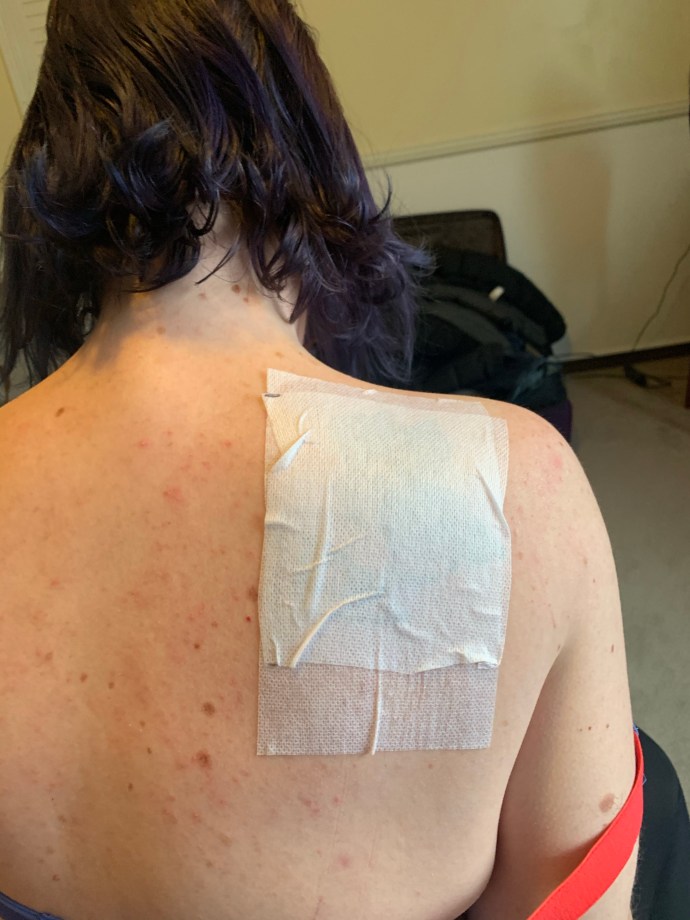
Reading up to date online reviews helps a lot with this, as does asking at the front desk. I have been to a few onsens throughout this trip and will update my list of tattoo friendly ones below as we progress. For Mel’s handy onsen guide for westerners, please look below this list.
Manneyu Onsen, Tokyo (¥480) – very tattoo friendly, no coverage needed. I confirmed on entering here I had a tattoo and got a thumbs up. Tattoos allowed is plastered all over their website and entry signage.
LaQua, Tokyo (¥700+) – based on a number of recent reviews these guys will not allow tattoos unless they are covered and if they are covered, it can still be hit and miss based on staff and if someone complains. We avoided this one after I read numerous online recounts of security escorting western women off the premises because they had tattoos
Hotel Youtei, Kutchan (¥800) – has a sign saying no tattoos allowed but based on our experience no coverage is needed. There is a high number of Japanese users within the onsen so if possible, use coverings to be polite. I had no issues and on the male side, B told me there was a guy with full sleeves who also had no issues
Hotel Weiss, Hanazono (¥900) – has a sign saying no tattoos allowed but they are very tourist friendly so doesn’t seem to be an issue, many westerners in there with visible tattoos
Hirafutei Onsen, Hirafu (¥1000) – I went in with coverings and had no issues although signage states no tattoos allowed. This is a very tourist heavy onsen due to location so likely to be less of an issue here
Hotel Niseko Alpen Onsen, Hirafu (¥1000) – TBC, signs do not say “no tattoos”
Hilton Niseko Village (¥1200) – in 2014 I went to this onsen without covering my back tattoo and an older Japanese lady abused the hell out of me, hit me with a towel and basically chased me out of the change room. Given that they cater mainly to westerners I don’t think this is the norm! We haven’t been back to this one since as I was a little stressed out
The Vale Niseko Village (¥1000) – could not enter as not available to non-guests in Dec/Jan however signage says no tattoos
Mel’s handy onsen guide for westerners
1. There is always an entry fee unless you are staying at a hotel which has an onsen on site that is free for guests. In major cities like Tokyo and Osaka you are looking at ¥350-¥500 but once you head to tourist areas like Niseko expect to pay more like ¥800-¥1000 (around $11AUD based on the current exchange rate). You pay this at the entry to the onsen or at the hotel front desk. Some places have ticket machines as well which is handy when their English and your Japanese aren’t great.
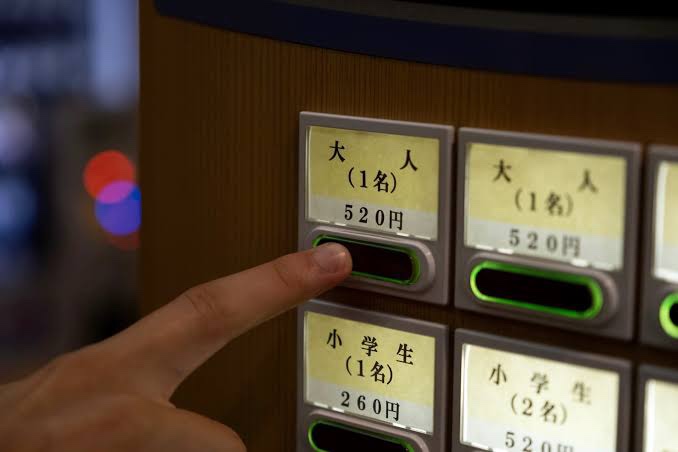
2. Some will tell you to bring your own towel, some will loan them for free and some will “rent” them to you for ¥200. It’s up to you what your personal preference is but you are expected to have some form of towel with you to dry off with before re-entering the change area. Note that it should not be dunked in water or used as a wash cloth. I can manage with a small towel, B needs a regular sized one to dry off with.
3. You will enter into separate male and female areas – blue flags for men, red flags for women. There is generally no cross gender bathing although a few tourist ones offer a “family friendly” bath now.
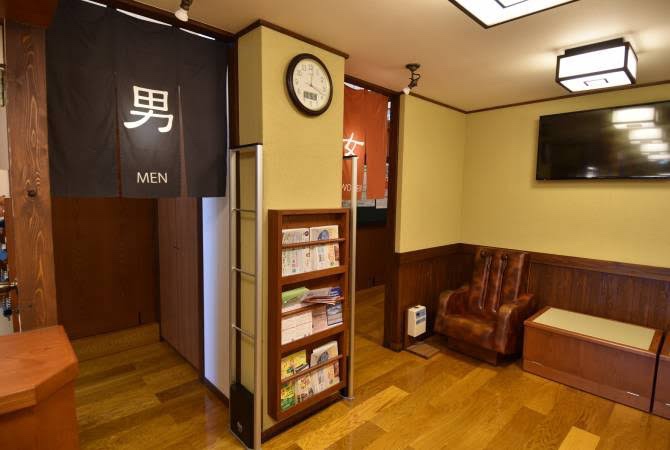
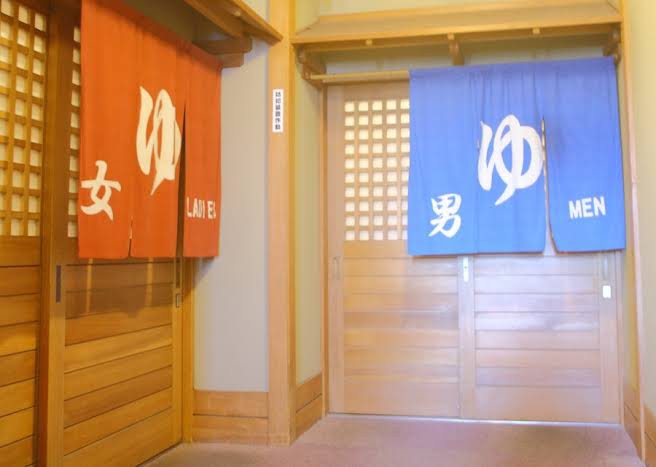
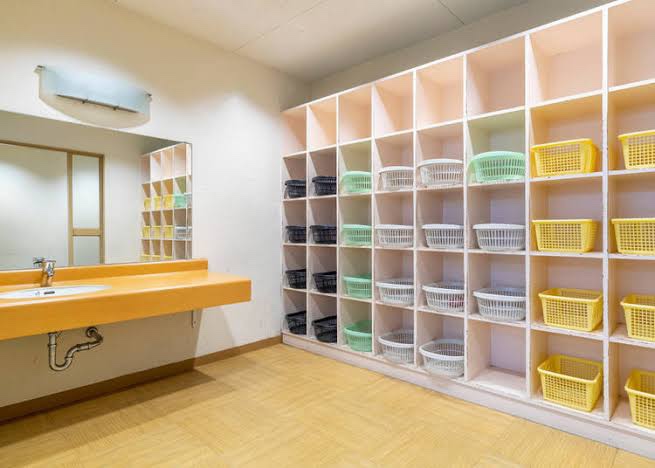
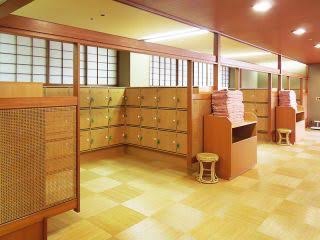
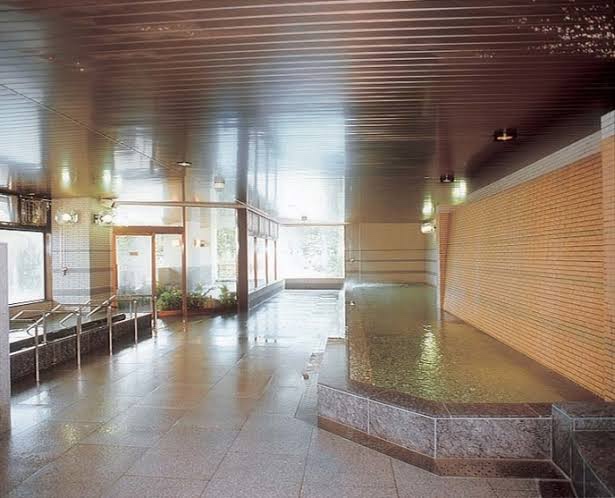
4. You will enter a small change room where there will either be lockers or baskets to put your stuff in. This is where you strip off EVERYTHING. You must be totally naked. There are no bathers allowed in the onsen. You strip off all your clothing here and then enter the onsen with just your towel (and locker key if one is available).
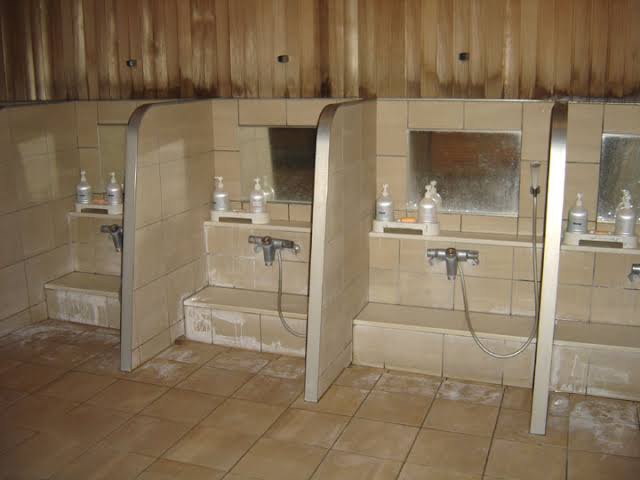
5. You will enter the onsen and see a row of small shower cubicles with little seats available. Grab a little seat and pull it up to a shower stall. You then need to completely and totally clean yourself from top to bottom with the provided soaps. And I do mean COMPLETELY and TOTALLY….you need to clean all of your bits thoroughly. You are also meant to wash your hair although many westerners choose to tie their hair up instead. Make sure not to use anyone’s personal cleaning products (Japanese women will often bring these) and to only use the generic ones provided.
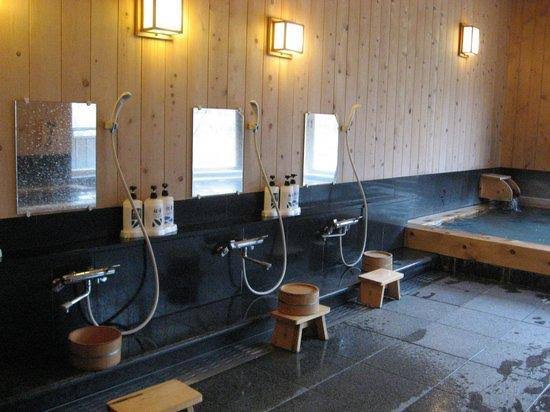
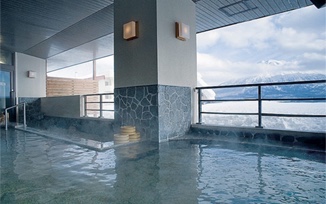
6. Now you can relax in the hot bath! There are usually three types – hot indoor, hot outdoor and cold indoor. Sometimes there is a medium temperature one as well. My favourites are the hot outdoor ones as the feel of the warm water plus the cool temperature is glorious. You can submerge just from the waist or go all the way to your neck depending on your tolerances and how you feel about sitting in it up to your waist with your boobs out. You can stay as long as you want to – you will notice Japanese people tend to stay for shorter times than westerners and that’s usually a case of relaxation versus practical use of the bath house, especially in ones used by locals rather than tourists. It is acceptable to bathe, hop out and have a cool shower to cool off, then re-enter the baths if you want to. Women with long hair need to tie their hair up so it is not floating in the water.
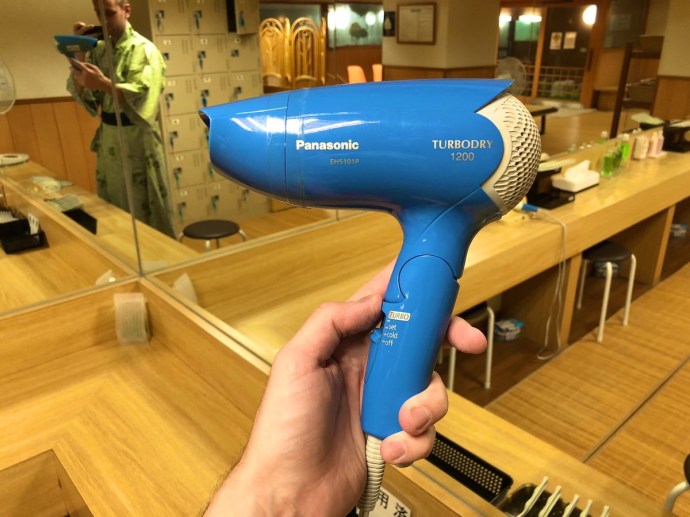
7. When you are finished, it is polite to quickly shower again using a cubicle shower (it’s not required though) then dry off before going back into the change room. Once in the change room, you get dressed again and also use any of the facilities available eg the toilet, hairdryer, combs, moisturiser etc
8. Often when you leave the change room and return back to the mixed gender area there is a small seating area and vending machines for you to have a drink and wait for your family members. In traditional onsens you should not take anything in with you except perhaps a bottle of water. In tourist onsens, often people will bring in a can of beer but there is a strong expectation of QUIET in the onsen – no rowdiness allowed. No glass either. Remember the water is 40C or higher in temperature so that combined with alcohol is not a good mix.
Onsen do’s and don’t’s!
DO get naked, no bathers allowed
DO cover your tattoos if you can or ask it if is okay for you to enter with them
DO bring a small towel in with you and rest it on a dry space next to you or on your head if no space is available
DO dry off before you enter the change room area after your bath
DO tie your hair up if it is long so it does not float loose in the bath
DON’T put your towel into the water under any circumstances
DON’T just jump straight in, you must shower and wash thoroughly first
DON’T stare at others in the baths, it is very rude
DON’T be loud or noisy in the baths. If you are able to take a drink in, be sensible and don’t take in glass
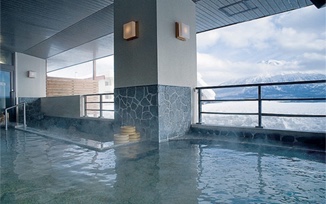
DON’T under any circumstances take photos! These photos are all from accomodation posts. Cameras and phones should not be taken into the bath under any circumstances






 Mel's Travel Blog